Bangladesh has always had a board-game culture.
Ludo, chess, carrom, Dama and Sholo Guti have been played across generations.
But a new type of tabletop culture is emerging.
Modern games such as Monopoly, Catan, Scrabble, Cluedo and other international titles are attracting players who want deeper strategy, competition and social experiences.
At the same time, Bangladeshi designers are creating games inspired by local history and folklore.
So what is actually changing?
Traditional Board Games in Bangladesh
Traditional games are generally inexpensive and easy to understand.
Ludo
Ludo is probably one of the most recognizable family games in Bangladesh.
Its simple rules make it accessible to almost everyone. See Ludo vs Coridor for a modern comparison.
Chess
Chess has a much deeper strategic system and has long been played competitively in Bangladesh. Compare it with a faster modern strategy game in Chess vs Coridor.
Carrom
Carrom is a social tabletop game with a particularly strong presence in South Asia.
Unlike most board games, it combines tabletop strategy with physical skill.
Sholo Guti
Sholo Guti is a traditional strategy game based around capturing opposing pieces.
It represents the type of local game that can easily be overlooked as imported entertainment becomes more popular.
Modern Board Games
Modern tabletop games have expanded what people expect from a board game.
Instead of simply moving pieces around a board, modern games may involve:
- Trading
- Negotiation
- Resource management
- Deduction
- Teamwork
- Storytelling
- Strategy
- Hidden information
Games such as Catan demonstrate how complex tabletop games can become while remaining social and accessible. Coridor takes a different approach — deep strategy through one simple rule, with no luck involved.
Why Are Modern Board Games Growing?
One major reason is community.
Modern tabletop games often work best when people play them together.
Bangladesh now has organized communities where players can meet, learn games and participate in events.
The Bangladesh Board Game Community has helped introduce more people to modern tabletop gaming.
The Rise of Bangladeshi Board Games
Perhaps the most interesting development is local game design.
Instead of simply importing Monopoly or Catan, Bangladeshi creators are developing games around local subjects.
Palashi
Palashi is a board game based on the Battle of Plassey.
The game demonstrates how Bangladesh's history can become the foundation for an entertaining tabletop experience.
Coridor
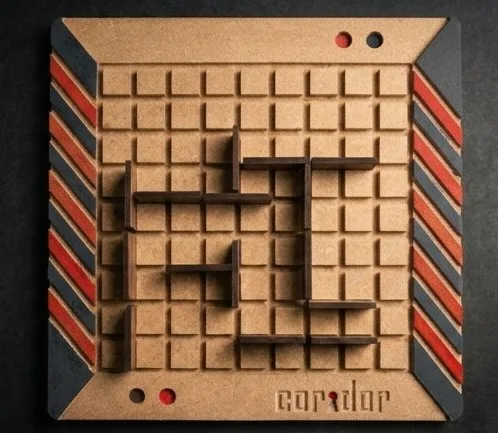
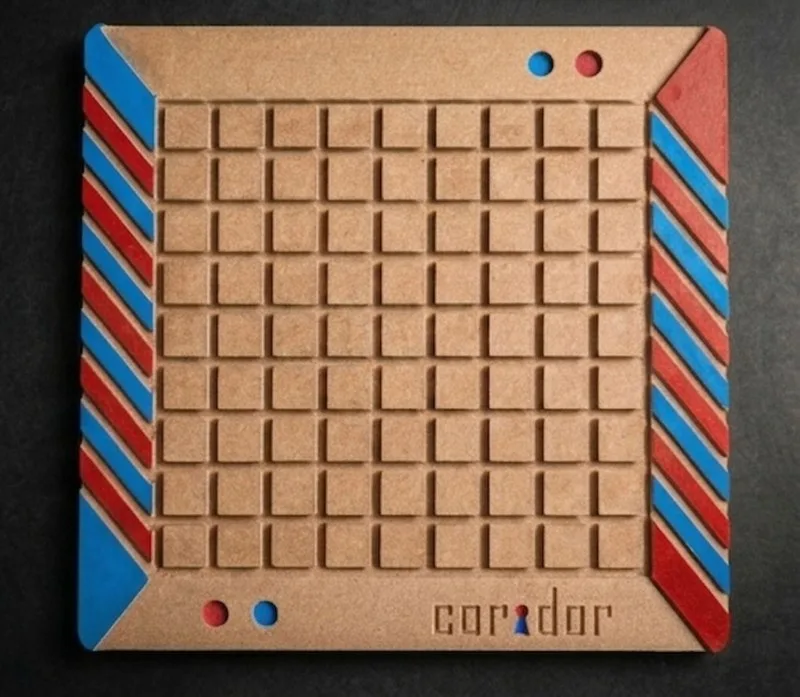
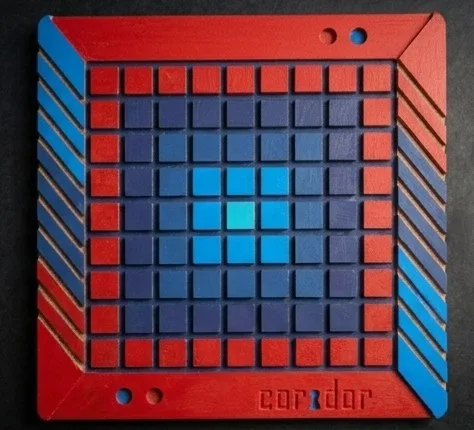
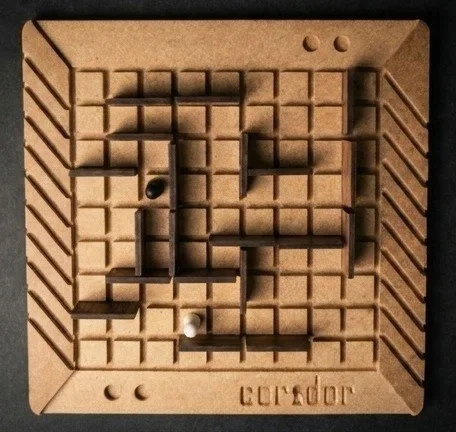
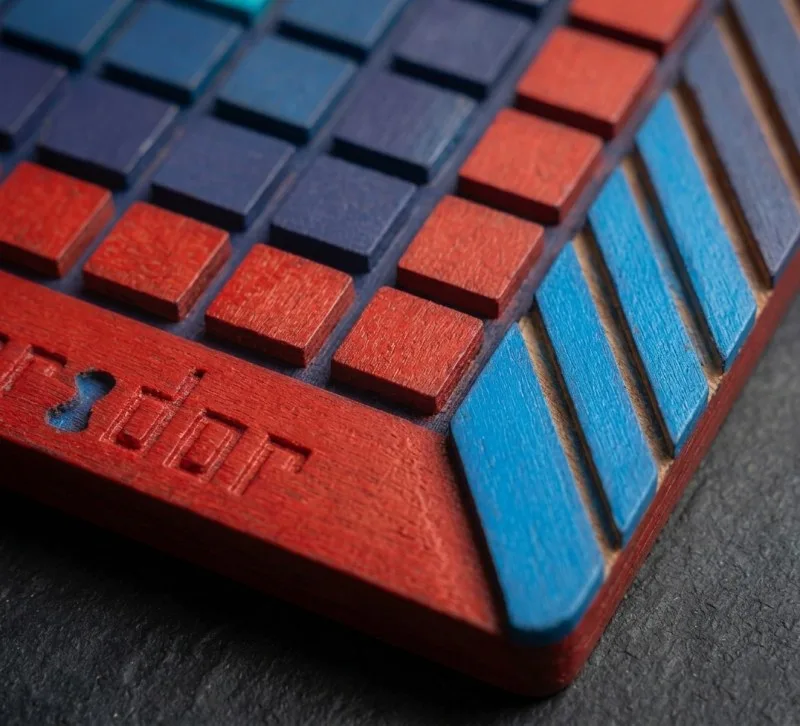
Coridor is another example of local design — a modern, skill-only strategy game conceived and made in Bangladesh, built to compete with imported strategy games on quality and design rather than just price.
Bengali Folklore
Newer card and tabletop games are also exploring Bengali folklore and cultural themes.
This creates a huge design opportunity.
Imagine games based around:
- The Sundarbans
- Dhaka
- Bengali mythology
- The Liberation War
- River transport
- Tea estates
- Archaeological sites
- Traditional village life
- Historical Bengal
- Bangladeshi cricket
The possibilities are considerably larger than another generic property-trading game.
Traditional Games vs Modern Games
| Feature | Traditional games | Modern tabletop games |
|---|---|---|
| Cost | Usually low | Often higher |
| Availability | Very high | More limited |
| Rules | Usually simple | Simple to complex |
| Strategy | Varies | Often substantial |
| Cultural connection | Strong | Usually international |
| Community | Informal | Increasingly organized |
| Local production | Common | Emerging |
Can Bangladesh Build a Board Game Industry?
Potentially.
The ingredients are already appearing:
- Local designers
- Tabletop communities
- Tournaments
- Online sellers
- Local game publishers
- Media attention
- Growing interest in imported games
The biggest challenge is affordability.
Imported tabletop games can be expensive for Bangladeshi consumers.
Local manufacturing could solve part of that problem while also allowing designers to create games specifically for Bangladeshi players.
What Comes Next?
Bangladesh's board-game market does not have to choose between traditional and modern games.
There is room for both.
Ludo and chess can remain household favourites while new generations discover strategy games, card games and locally designed tabletop experiences.
The most exciting possibility is a third category: Bangladeshi modern board games.
Games that combine modern mechanics with Bangladesh's history, culture, geography and stories could potentially appeal both locally and internationally — you can see one such game in our shop today.
The country's tabletop culture is still young, but the pieces are already on the board.